
Moss Agate Hardness: Mohs Scale and Wear
Moss Agate Hardness: What 6.5 to 7 Actually Means in Daily Life
Every gemstone page lists a number, and almost none of them explain what to do with it. Moss agate hardness is usually given as 6.5 to 7 on the Mohs scale, which sounds reassuringly high until you realize the scale is neither linear nor a measure of how easily something breaks. A number on its own tells you very little about whether a stone will survive a decade on a hand that cooks, gardens, types, and carries groceries. What follows is the practical version: what the rating measures, what it does not, and which design decisions genuinely change how a stone holds up.
What the Mohs number is actually measuring
The Mohs scale is a scratch test and nothing more. It ranks minerals by which one can scratch which, from talc at 1 to diamond at 10. It is ordinal, not proportional, so the gap between 9 and 10 is enormously larger than the gap between 2 and 3. When a source places moss agate on the mohs scale at 6.5 to 7, it is saying that the stone can be scratched by anything harder than roughly quartz, and will itself scratch anything softer. It says nothing whatsoever about whether the stone will chip if you knock it against a countertop.
Hardness and toughness are not the same thing
This is the distinction that matters most, and it is the one most often skipped. Hardness resists scratching. Toughness resists chipping, cracking, and breaking. They are independent properties, and some materials score very differently on each. Diamond is the hardest natural material known and yet it can be cleaved cleanly along its planes with a well-placed strike. Jade is far softer on paper but is famously difficult to break, because its interlocking fibrous structure absorbs impact.
Chalcedony sits in a genuinely good place on the toughness axis. Because it is built from countless microscopic quartz fibers packed together rather than one large crystal, there is no clean plane along which it prefers to split. That gives it better resistance to impact than its hardness number alone implies. So when someone asks is moss agate durable, the honest answer is that it is respectably tough and moderately hard, which is a better combination for daily wear than the reverse would be. If you want to compare how different cuts and settings handle that reality, browsing a range of finished pieces such as those shown by Aquamarise makes the design differences easier to see than any specification list.
How it compares to stones you already know
Context helps more than the raw figure. Placing moss agate among familiar materials:
Diamond sits at 10 and corundum, the family that includes sapphire and ruby, sits at 9. Both are dramatically harder and effectively immune to household scratching.
Topaz is 8 and beryl, including emerald and aquamarine, is around 7.5 to 8. Emerald is hard but notoriously brittle, which is toughness working against it.
Quartz, amethyst, and citrine sit at 7, essentially alongside moss agate.
Moonstone is around 6 to 6.5 and has cleavage planes that make it more fragile in practice.
Opal is roughly 5.5 to 6.5 and can be sensitive to knocks and rapid temperature change.
Turquoise and lapis sit lower still, near 5 to 6, and are far more easily marked.
In other words, moss agate is not in the top tier occupied by sapphire and diamond, but it is squarely in the range that jewelers have set into rings for centuries. It sits comfortably above the stones usually reserved for occasional wear.
What actually scratches a ring in real life
The most common culprit is not a dropped tool. It is ordinary dust. Household dust contains a significant amount of fine quartz, which sits at 7 on the same scale, so wiping a stone with a dry cloth that has picked up grit can leave microscopic surface marks over time. The cumulative effect after several years is a slight loss of the crisp, wet-looking polish on a domed surface rather than any single visible scratch. Rinsing under water before wiping, and using a genuinely soft cloth, removes most of that risk.
The other real-world hazards are more obvious: unfinished lumber, masonry, sand at the beach, gym equipment, and the abrasive side of a kitchen sponge. Cleaning products containing bleach or strong solvents are best kept away from any set stone, and rapid temperature swings are worth avoiding as a general principle with cabochons.
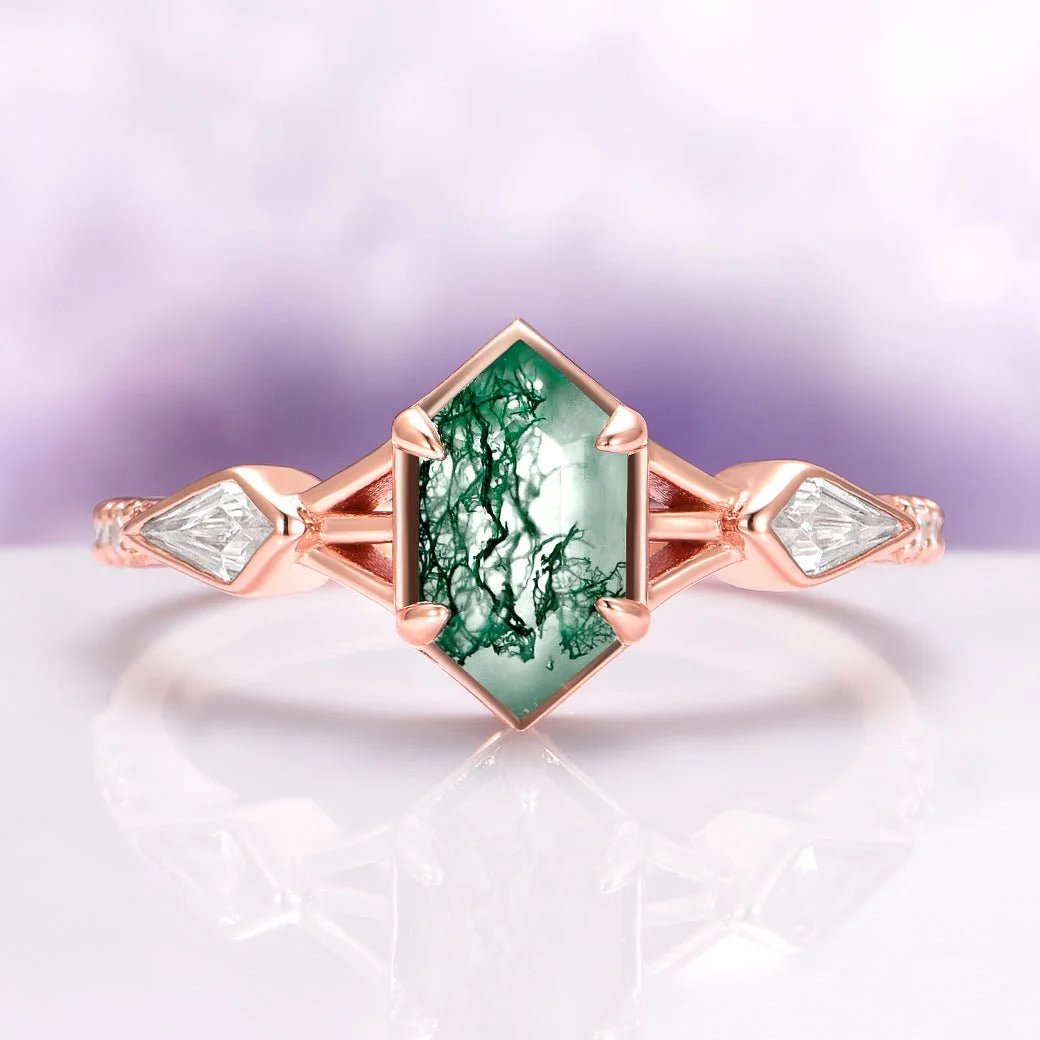
A geometric cut with a metal outline around the perimeter keeps the most vulnerable part of the stone, its edge, away from direct contact.
The edge of a cabochon is the vulnerable part
Toughness protects the body of a stone. The edge is a different matter. Where a cabochon meets its base, the material tapers toward a thinner profile, and thin edges concentrate stress. A direct knock on an exposed rim delivers force to a small area, and that is where a chip starts. This is true of any cabochon in any material, and it is the single most useful thing to understand about wearing one every day.
It follows that the cut profile itself is part of the durability question. A high, steeply domed cabochon stands further off the finger and meets more obstacles than a low, gently curved one. A flat slice with a beveled edge behaves differently again, and a geometric outline like a hexagon has corners that need particular attention because corners concentrate stress even more than a smooth curve does.
Settings that protect an exposed edge
Setting style is where a design either helps or does not, and the differences are meaningful:
A full bezel wraps a continuous collar of metal around the whole perimeter. Bezel protection is the most effective option available for a cabochon, because the metal, not the stone, takes the impact. It also gives a smooth outline that is less likely to catch on fabric.
A half bezel or partial bezel covers the ends of an elongated stone, which are statistically the most exposed points, while leaving the sides open so light can enter from the flanks.
Prongs hold the stone with the least metal and let in the most light, but they leave the rim exposed between them and the prong tips themselves can catch on things.
A low-profile setting that sits close to the finger reduces the leverage a knock can apply and lowers the chance of contact in the first place.
A stone set slightly below the level of the surrounding metalwork, or protected by a raised outline, gains a small but real margin.
None of these change the stone's hardness. They change the odds of the stone ever meeting something harder in the first place, which is what actually determines how a piece looks after five years. Designs built around a protected edge are what make practical, everyday moss agate rings work rather than pieces that only come out on occasions.
Habits that matter more than the number
The most effective protection is not a material property at all. It is knowing when to take a ring off. Weightlifting, rock climbing, gardening, moving furniture, sanding, mixing dough, and anything involving sand or grit are all worth removing jewelry for, regardless of what the stone is. Store pieces separately rather than loose together in one dish, because harder stones will happily scratch softer neighbors when they knock around in a drawer. A pouch or a lined compartment solves this completely.
For routine cleaning, warm water with a drop of mild dish soap and a soft brush around the setting is enough for almost anything. Rinse it, then dry it with a soft cloth. Skip ultrasonic and steam cleaners with included stones, since internal inclusions can respond unpredictably to vibration and sudden heat. Remove jewelry before applying lotions or hairspray, mostly because residue builds up around a setting and dulls the way light reaches the stone.
The realistic verdict
Moss agate hardness at 6.5 to 7 puts the stone in the same practical bracket as quartz and amethyst: solidly wearable, not indestructible, and better protected by design than by hope. Its microcrystalline structure gives it decent resistance to impact, its edge is the part worth guarding, and a close-fitting setting with a protected rim does more for its long-term appearance than any amount of caution about the number itself. Understand the difference between hardness and toughness, choose a setting that shields the perimeter, and take the ring off for the handful of activities that genuinely threaten it. Do that and there is no reason a moss agate cabochon cannot be worn every day for a very long time, gathering the faint softening of polish that any well-loved piece eventually earns.

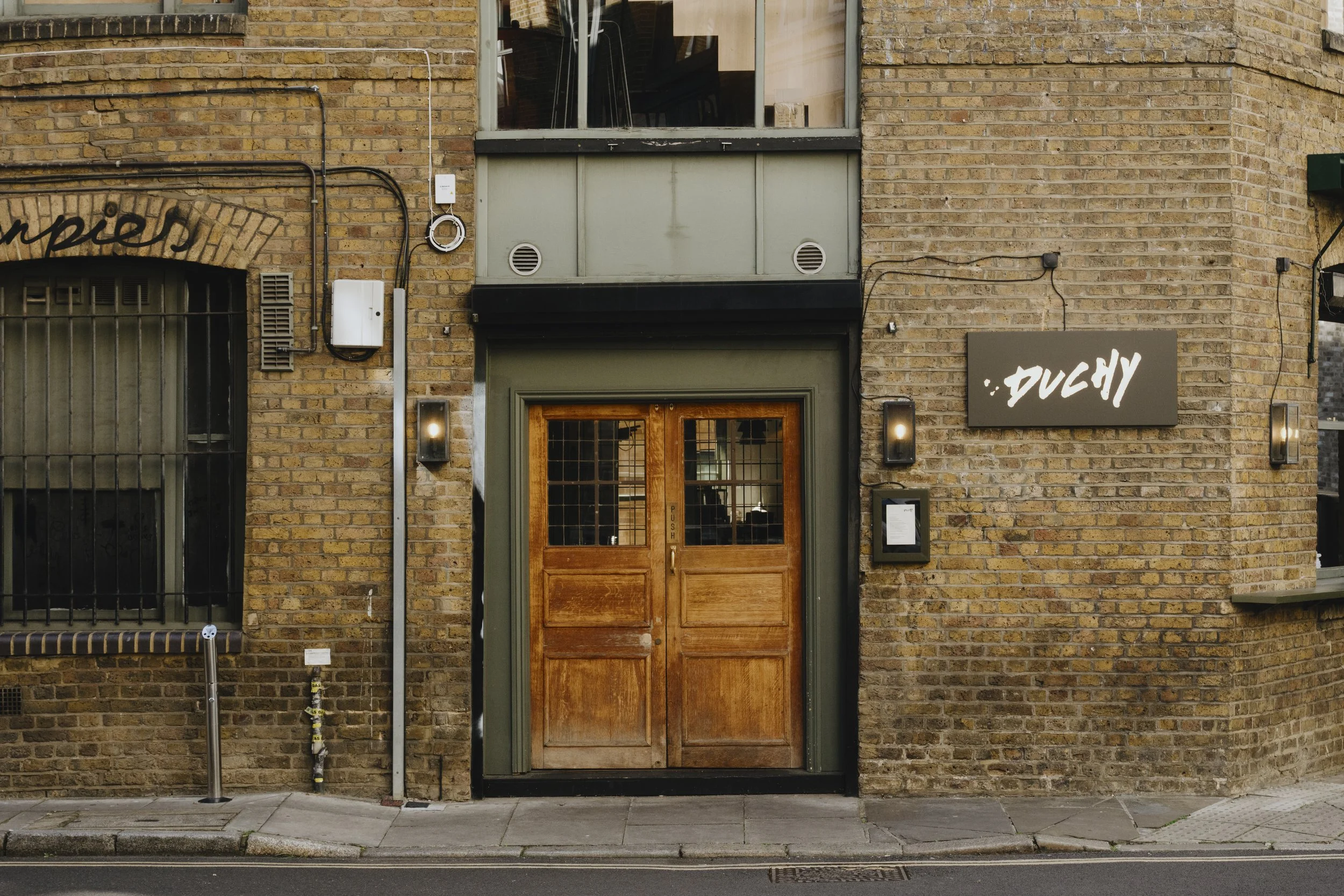
Image: a street level visualisation of a high street regeneration scheme, with the ground floor frontage and the pavement shown at eye level. Credit: ArchiCGI.
Start with the story, not the backlink
Guest articles can introduce a business to readers who are already interested in its subject. A photographer might write about finding overlooked architectural details on a city walk; a boutique hotel could offer a guide to a particular area’s independent food scene. The useful link to the business’s own site then sits within a piece that gives readers a reason to click, rather than interrupting the story.
That distinction matters. A rushed article written only to place a link is unlikely to earn a reader’s attention, and it can feel out of step with the publication carrying it. Before pitching, look at the site’s existing coverage, audience and tone. Is there a real connection between the proposed subject and what its readers come for? Would the piece still be informative if the business name and link were removed? If not, it probably needs a stronger idea.
Directories can help with the initial research, but they are a starting point rather than a guarantee of fit. iCopify’s business guest-posting listings bring together a large range of sites that accept submissions. Use a list like this to identify possibilities, then check each publication’s current content and submission requirements yourself. A relevant, well-read outlet is more valuable than a long list of loosely related placements.
Make every contribution useful
A strong pitch is specific. Instead of offering “an article about London”, propose a clear angle: how to plan an accessible gallery afternoon around a particular neighbourhood, what to look for in a Victorian shopfront, or where to find independent design beyond the major shopping streets. The subject should be timely when possible, but it need not chase every trend. First-hand knowledge and a distinctive perspective give practical advice its character.
It also helps to think beyond the immediate click. A piece can be useful to someone planning a visit months later, so evergreen details—how to get around an area, what to expect, or how to make the most of a short visit—may have a longer life than a brief promotional announcement. Keep facts accurate, explain any specialist terms and avoid making claims that the article cannot support. If a publication has its own editorial rules, follow them; the final piece should belong there.
For a small team, consistency is usually more realistic than volume. One thoughtful contribution every few months, supported by useful updates on the business’s own site, is a more manageable plan than trying to publish everywhere at once. Track basic outcomes: referral visits, enquiries, bookings or newsletter sign-ups. A link that brings a handful of genuinely interested people may be doing more than one that attracts a spike of irrelevant traffic.
Budget for the website behind the story
External coverage can bring visitors to a site, but the landing page needs to answer their questions. Make the next step obvious: view opening times, book a tour, enquire about a commission or sign up for updates. Check that the site works on a phone, loads reliably and uses clear language. For a visitor arriving from an article, a confusing menu or outdated information can undo the value of the introduction.
That work may involve a developer, particularly if a site needs a booking system, a redesign or accessibility improvements. Costs vary with the scope and the person or team doing the work, so it is sensible to define requirements before comparing quotes. As a starting point for budgeting, Osdire’s UK web developer cost guide outlines hourly, daily and project pricing. Its marketplace covers a range of freelance services, which can be useful when considering whether a smaller, clearly defined task is the right first step.
Before commissioning anything, list the essentials: what visitors need to do, what content must be easy to update, and which devices or assistive technologies the site should support. Ask for a written scope, milestones and a clear explanation of what happens after launch. A modest improvement to a booking journey or mobile layout may be more valuable than rebuilding a site simply because it feels overdue.
Build visibility that reflects the place
London’s independent cultural and hospitality businesses are part of what makes its neighbourhoods worth exploring. Their online presence works best when it reflects that local texture: useful knowledge, strong images, accurate practical details and stories told in a recognisable voice. Thoughtful guest writing can carry those stories to new audiences; a well-maintained website gives interested readers somewhere worthwhile to land.
The aim is not to be visible everywhere. It is to be easy to find in the places where the right people are already curious—and to offer them something genuinely helpful when they arrive.



























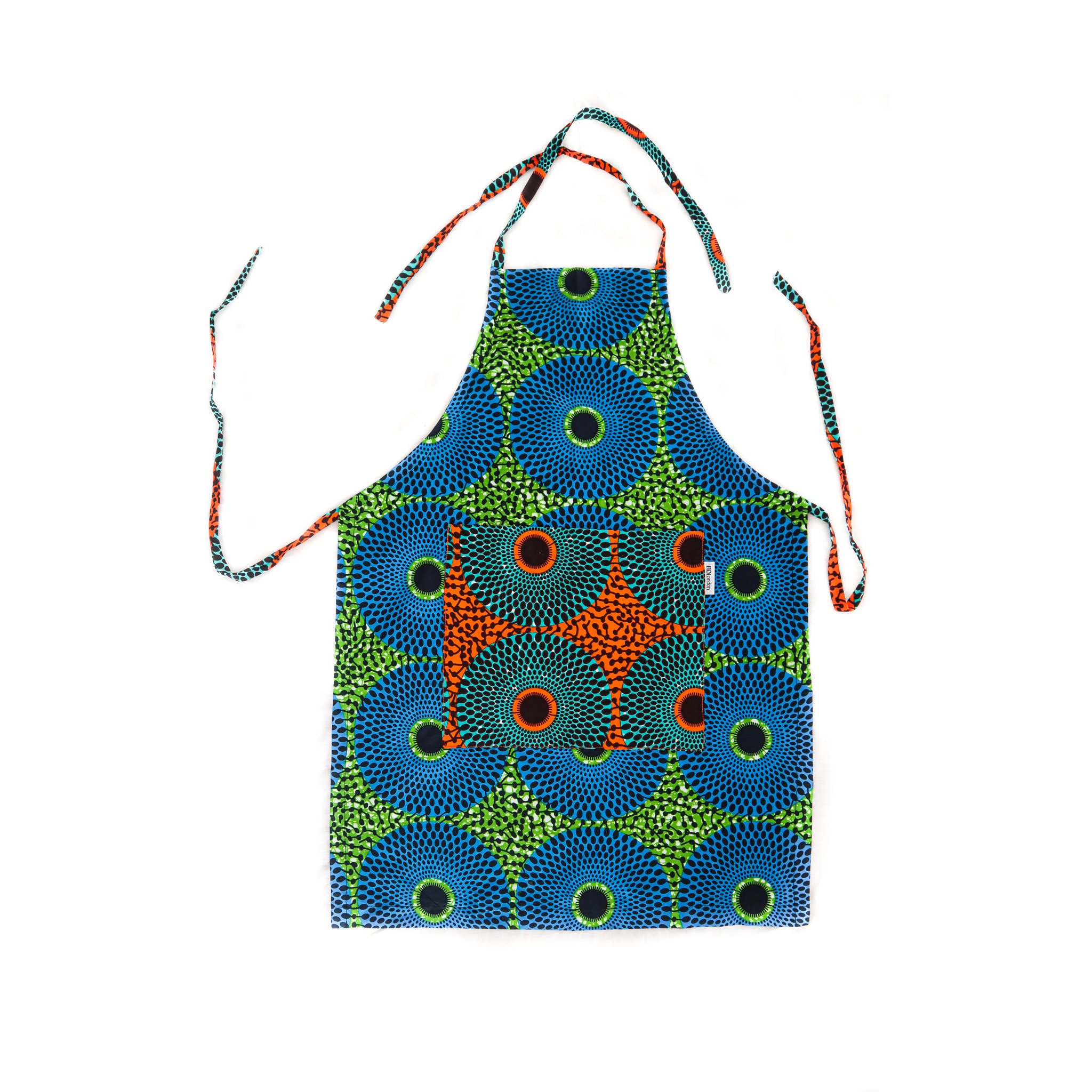


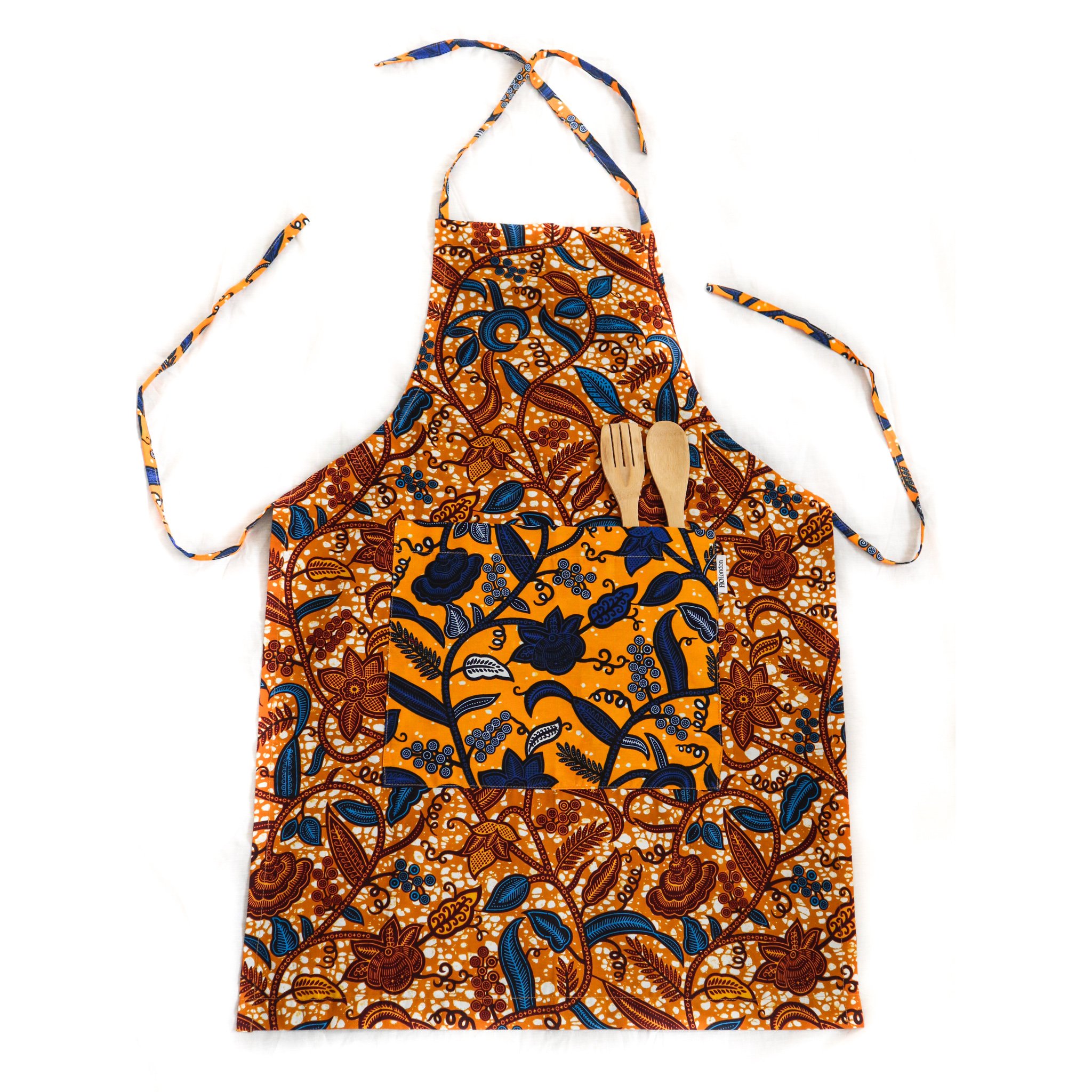


Handmade in Ghana, our aprons offer a unique design with a front pocket perfect for kitchen utensils or your phone and tie neck straps each made from recycled material. The perfect gift for any cooking enthusiasts!
Our aprons have been named after markets in Ghana and London. This apron has been named after street food hub Maltby Street Market.