
Printed books vs eBooks: student choice
Reading has changed even in the last few years. While some students enjoy the feel of a hardcover book, others appreciate being able to carry an entire library in their pockets, underlining sections digitally and searching for keywords in an instant.
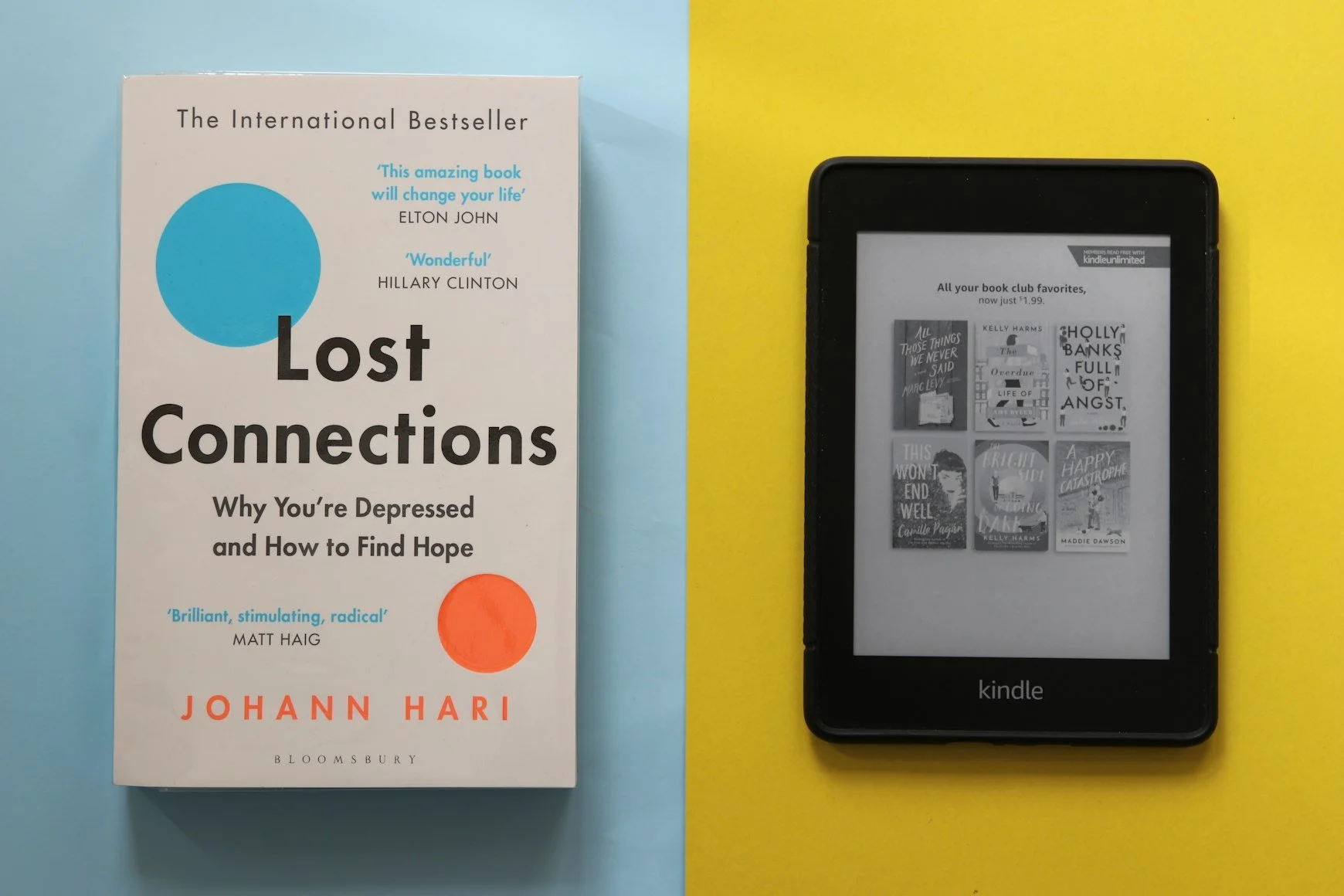
It would be wrong to argue that there is just one right choice in this matter. Printed books and eBooks serve different purposes. A student revising before an exam, someone who is commuting and wants to kill time by reading, a person fascinated by literature and building their own collection of books, and someone researching sources, everyone requires a tool that would best suit their needs.
And here lies the importance of the topic of eBook vs. physical book for learning processes. Students spend hours reading and taking notes, thinking through possible outlines for essays and exploring sources. Sometimes they may seek academic assistance through services such as EssayPro to write my papers when facing tight deadlines or complex assignments, but the format of reading could still make a significant difference in how effectively they learn and retain information. Let’s find out the ups and downs of each format and which could be right for you.
Advantages Of Physical Books
Physical books work best for people who need tranquility, concentration, and something physical to interact with. While there are limitations with print media, its simple nature makes it stand out.
Main strengths are:
Better Focus For Most People: A paper does away with many digital distractions.
Not Relying On Battery Or Application: A book will never run out of battery power.
Help in Recalling Information: There is a likelihood that you can remember where information was in a paper.
Easier to Share Content: Books can be loaned, donated, and sold.
Increased Emotional Bond with Reading Material: Having lots of books on a bookshelf motivates people.
It is because of these reasons that most students still use printed books for novels, core course content, and other books they intend to read again and again.
Disadvantages Of Printed Books
There are also some disadvantages related to printed books. They consume space, have weight, and can be costly for the readers. A person studying in a small dormitory cell would not like to keep several large textbooks.
Moreover, sometimes printed books are difficult to use for searching information. The search for particular phrases would require much time, as it would be necessary to check several books. Moreover, copying citations will demand additional time as the student will have to type it all down.
Thus, although printed books are great for reading, sometimes other tools would be more suitable.
Advantages Of eBooks
Another way modern students can study their subjects is to use eBooks that offer a lot of benefits to the readers. These are perfect when one needs access to a large number of materials.
Major benefits:
Portability: A number of books can be stored on phones, tablets, laptops, and e-readers.
Fast search: It is easier to look for key terms, names, and themes.
Flexible Reading Options: It may be possible to modify the font and screen brightness.
Digital Note-Taking: Highlighted points can be noted, categorized, and searched for later.
Immediate Availability: Numerous titles can be downloaded instantaneously.
The debate about e-books and print copies ends in favor of digital copies when a student has a small amount of space and/or a lengthy trip to make or sources to compare.
Disadvantages Of eBooks
The greatest disadvantage of eBooks vs physical books is the device that is being used to read the book. While reading an eBook on a mobile phone or a tablet, you are likely to receive calls and notifications, which might disrupt your concentration and lead you astray from reading your eBook.
Fatigue from using a screen for long periods can be considered a great disadvantage of reading eBooks, since you need time to rest after a whole day working on your laptop or PC or attending online lectures and reaching out to an essay writing service. Specialized devices known as e-readers do not have this effect, yet they may be unaffordable for some students.
Ownership of eBooks might also be a problem since you are restricted by certain apps, licenses, or accounts.
Format For Best Learning
The best solution to this issue may lie somewhere between. Print books are great when it comes to concentrated reading, careful analyzing, and studying something that demands maximum concentration and engagement. On the other hand, electronic versions are perfect when it comes to fast searching, using different sources simultaneously, and fast note-taking.
In other words, the same student could read the book printed on paper but perform keyword searching in its electronic edition. Moreover, they could create notes and plan to write an essay by working with electronic texts only. A student could study using an online book during classes, but print out a complicated chapter and analyze it offline.
The main point in the eBooks vs printed books debate is not about supporting a certain format but in selecting the most effective way of doing something.
Here we have useful advice:
Choose print when you need to concentrate.
Choose eBooks when you need speed.
Use both when deep reading and researching are needed.
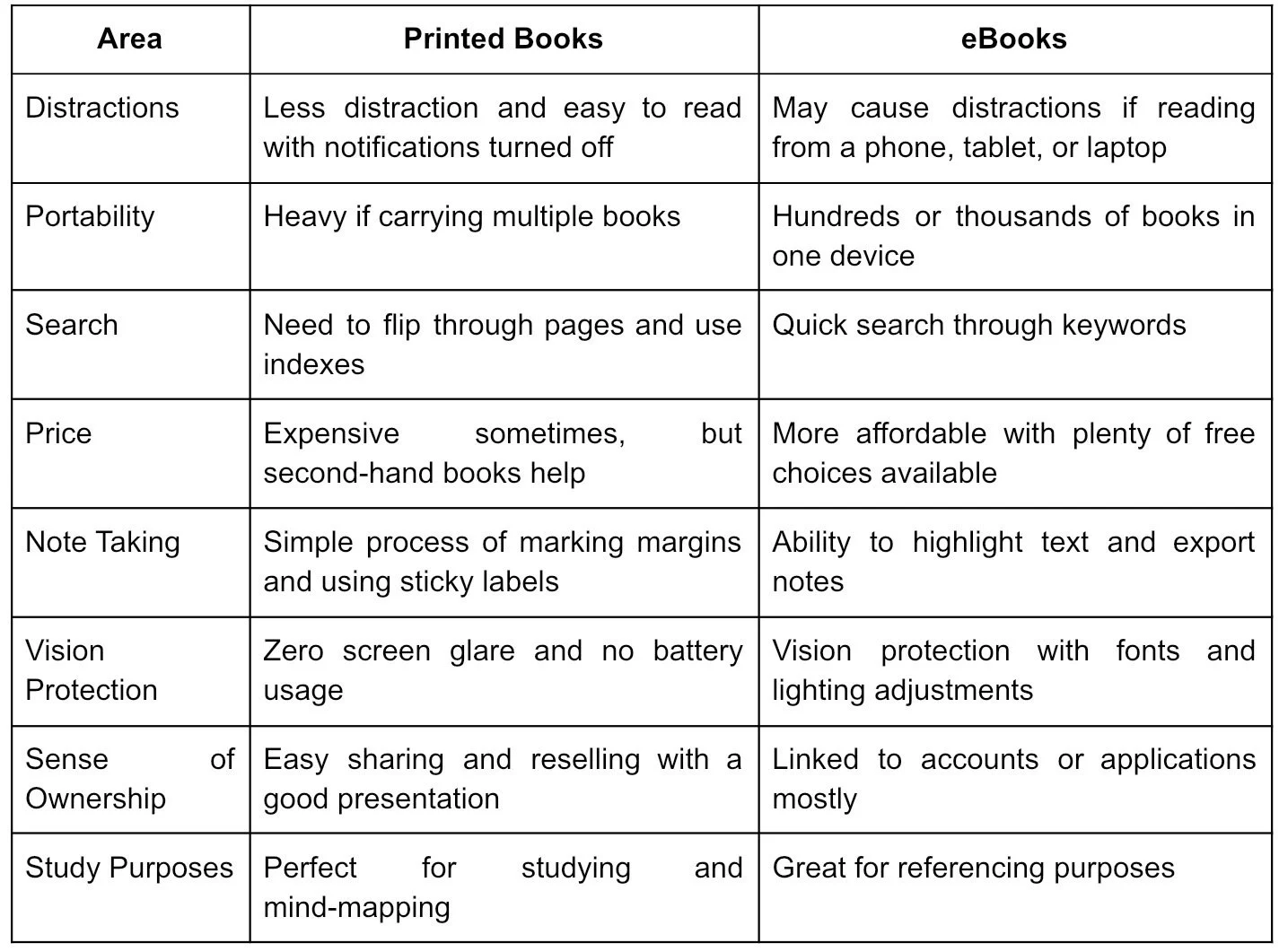
Comparison Table: Important Differences
When it Comes to Reading, Both Formats Have Their Place
Printed books vs eBooks should not be viewed as opponents. They are different platforms for reading. In a printed book, a quiet and contemplative reading experience is formed, while an eBook will allow a quick search in the text. The former relies on physical presence, while the latter relies on the opportunity to use the internet and digital format.
When choosing between printed materials and their virtual counterparts, college students have to consider several aspects of their work or lifestyle: assignment, available resources, budget, personal preferences, and so on. In any case, a truly wise choice requires using printed materials when studying and electronic versions when doing research.




































Handmade in Ghana, our aprons offer a unique design with a front pocket perfect for kitchen utensils or your phone and tie neck straps each made from recycled material. The perfect gift for any cooking enthusiasts!
Our aprons have been named after markets in Ghana and London. This apron has been named after street food hub Maltby Street Market.