
Your First Trip Abroad: Practical Advice for First-Time International Travelers (2026 Guide)
There is something about booking your first international flight that feels both exciting and quietly terrifying. The passport in your hand is brand new, the destination is somewhere you have only seen on a screen, and the list of things you are unsure about keeps growing. What documents do you actually need? How do you handle money abroad? What happens if something goes wrong?

This guide cuts through the noise and gives you the real, practical information you need before you step onto that plane for the first time. No fluff, just what works.
Start With Your Documents (Earlier Than You Think)
The number one mistake first-time travelers make is underestimating how much lead time paperwork requires. Passport processing in most countries currently takes anywhere from four to ten weeks for standard applications in 2026, and longer during peak travel seasons. If you need a visa on top of that, you could be looking at an additional two to six weeks depending on the country.
Check your passport expiration date right now. Many countries require your passport to be valid for at least six months beyond your travel dates, meaning if you are traveling in October, a passport that expires in February of the following year might get you rejected at the border.
Before you travel, make digital and physical copies of:
Your passport photo page and any visas
Travel insurance policy and emergency contact number
Hotel confirmation and return flight details
Store digital copies in your email or a cloud folder so you can access them from any device if your bag is lost or stolen.
Plan Your Money Before You Land
This is where a lot of first-timers lose unnecessary cash. Airport currency exchange kiosks typically offer the worst rates you will find anywhere, sometimes 10 to 15 percent worse than what you would get from a local ATM at your destination. In most countries, withdrawing local currency from a bank-affiliated ATM after you land is still the most cost-effective option in 2026.
That said, always arrive with a small amount of local currency for the first hour. Taxis from smaller airports, bus fares, or a bottle of water while you figure out your bearings all require cash, and you do not want to be scrambling for a working ATM at midnight with heavy luggage.
Notify your bank before you travel. Most major banks now let you do this through their app in under two minutes. Without a travel notification, your card may be flagged for fraud and blocked the moment you try to use it overseas.
Pack Light and Pack Smart
If this is your first international trip, the instinct is to overpack. Resist it. Lugging a heavy suitcase through a European train station or up the stairs of a budget guesthouse in Southeast Asia will teach you this lesson fast.
A carry-on and a small personal bag is enough for most trips up to two weeks. Wear your heaviest shoes on the plane. Roll your clothes instead of folding. Pack a small first-aid kit, a power bank, and a universal adapter. These three items solve the majority of minor travel problems before they become real ones.
Avoid Public Wi-Fi Without Protection
Free Wi-Fi at airports, cafes, and hotel lobbies is tempting, but public networks are genuinely risky. Unsecured connections can expose your banking details, passwords, and personal data to anyone on the same network who knows what they are doing.
The simplest fix is to use a VPN (Virtual Private Network) before connecting to any public Wi-Fi. A VPN encrypts your internet traffic so that even if someone is monitoring the network, they cannot read what you are sending or receiving. Download and set up your VPN before you leave home, not after you land, because you will need an internet connection to install it. Using a VPN also helps in countries with restricted internet access, where certain apps or websites may be blocked.
If a VPN feels like too much setup, at the very minimum avoid logging into your bank account or entering credit card details on public Wi-Fi.
Get Travel Insurance and Actually Read It
Travel insurance is not an upsell you can skip. A single medical evacuation from parts of Southeast Asia or Latin America can cost tens of thousands of dollars without coverage. Even a broken leg requiring a hospital stay in Western Europe can run into the thousands.
When choosing a policy, focus on medical coverage limits (aim for at least $100,000 USD), trip cancellation terms, and whether emergency evacuation is included. Read what is excluded before you buy, not after you need to make a claim.
Learn the Basics of Where You Are Going
You do not need to become fluent in the local language, but learning a handful of phrases goes a long way. "Thank you," "where is," "how much," and "I need help" in the local language will earn you goodwill almost anywhere in the world.
Also spend thirty minutes researching local customs before you go. Dress codes at religious sites, tipping etiquette, and table manners vary significantly from country to country. In Japan, tipping at a restaurant is considered rude. In Morocco, bargaining at a market is expected. Knowing the difference makes your interactions smoother and shows respect for the people whose country you are visiting.
You Will Figure It Out
The honest truth about first-time international travel is that almost every problem you encounter has a solution, and most of the things you worried about never actually happen. The flight lands, the city is real, and you find your way.
Get the documents sorted early, protect your money and your data, buy decent travel insurance, and stay curious about where you are. That is genuinely all it takes to have a good trip.
Now go book it.





























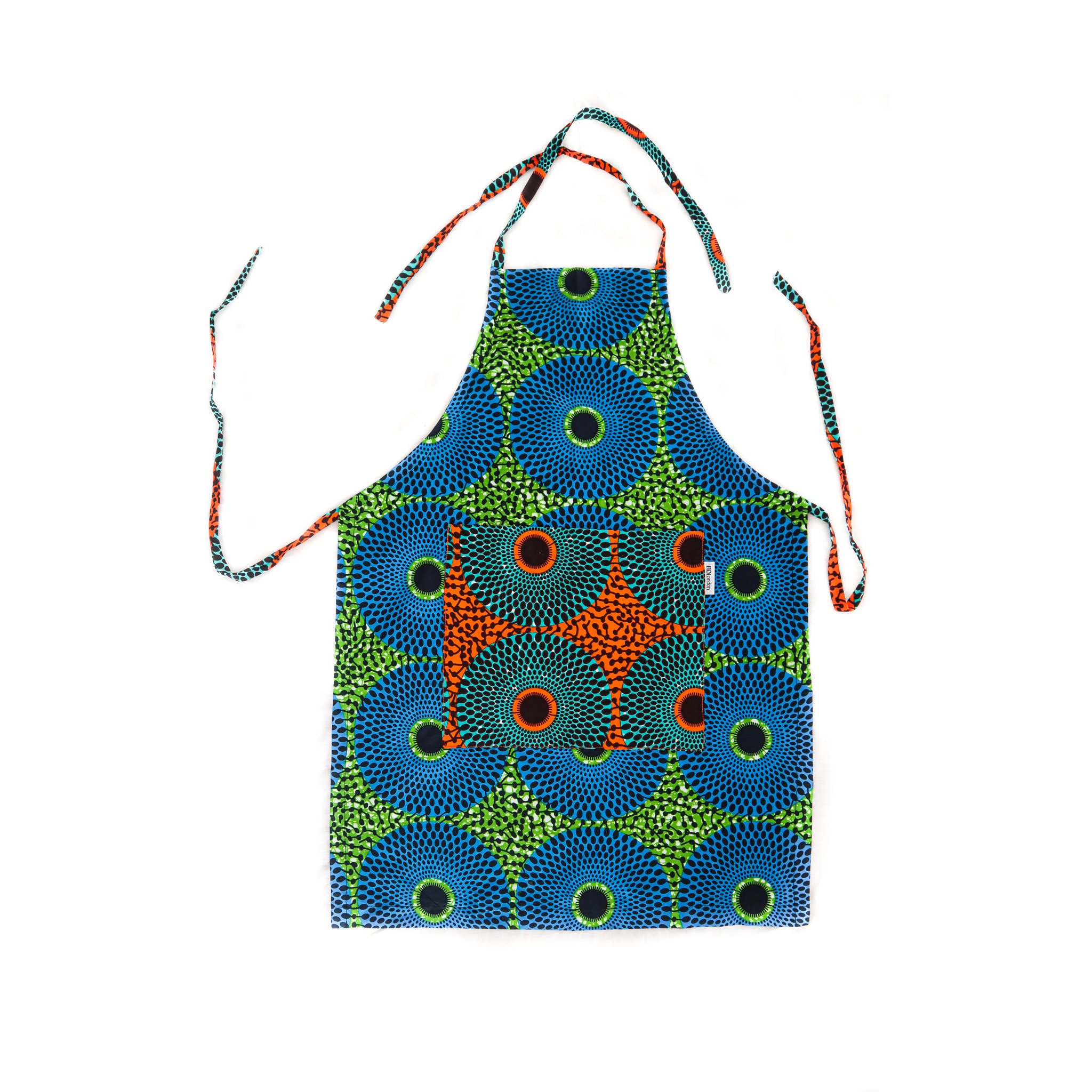


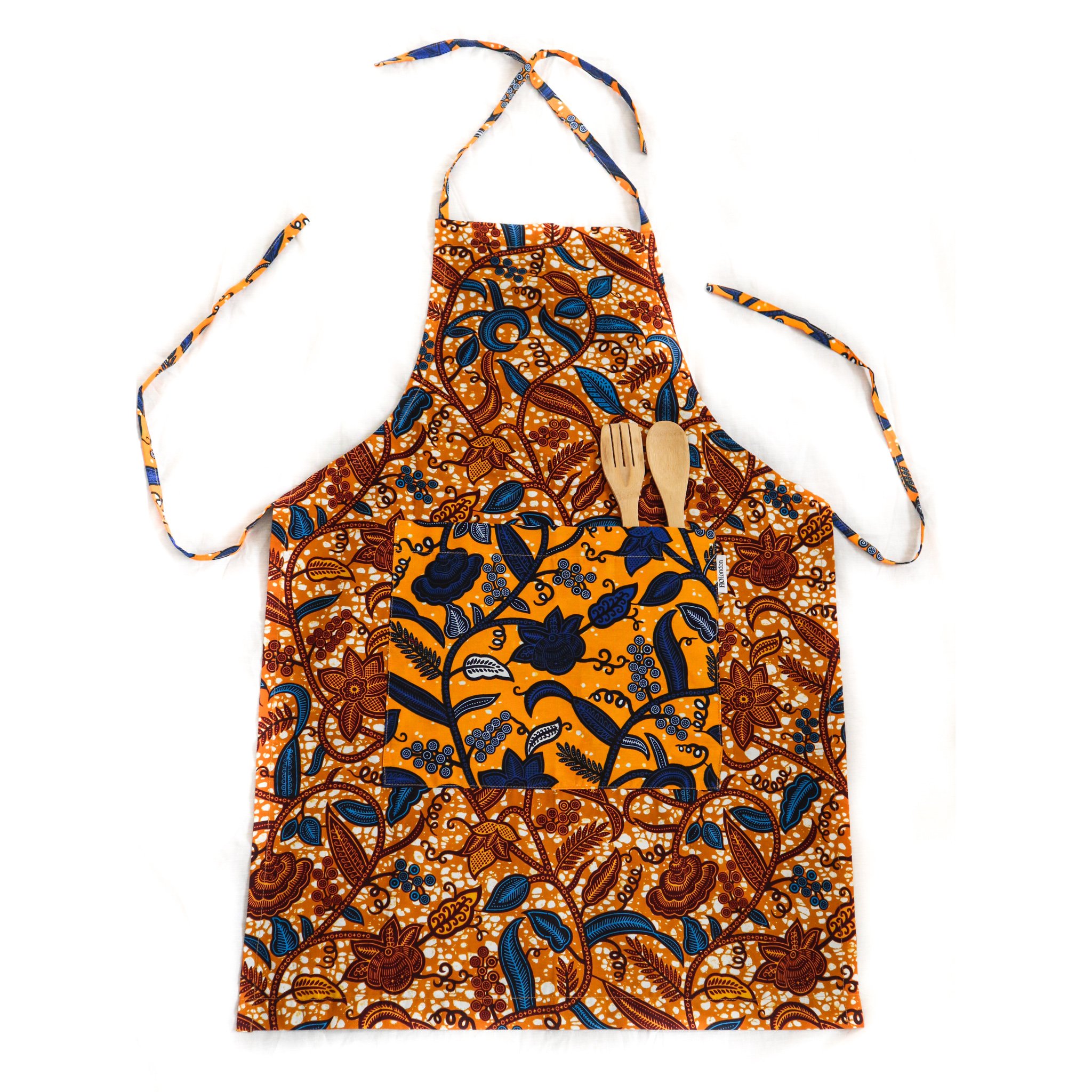


Handmade in Ghana, our aprons offer a unique design with a front pocket perfect for kitchen utensils or your phone and tie neck straps each made from recycled material. The perfect gift for any cooking enthusiasts!
Our aprons have been named after markets in Ghana and London. This apron has been named after street food hub Maltby Street Market.