
Steps to take after a road accident injury
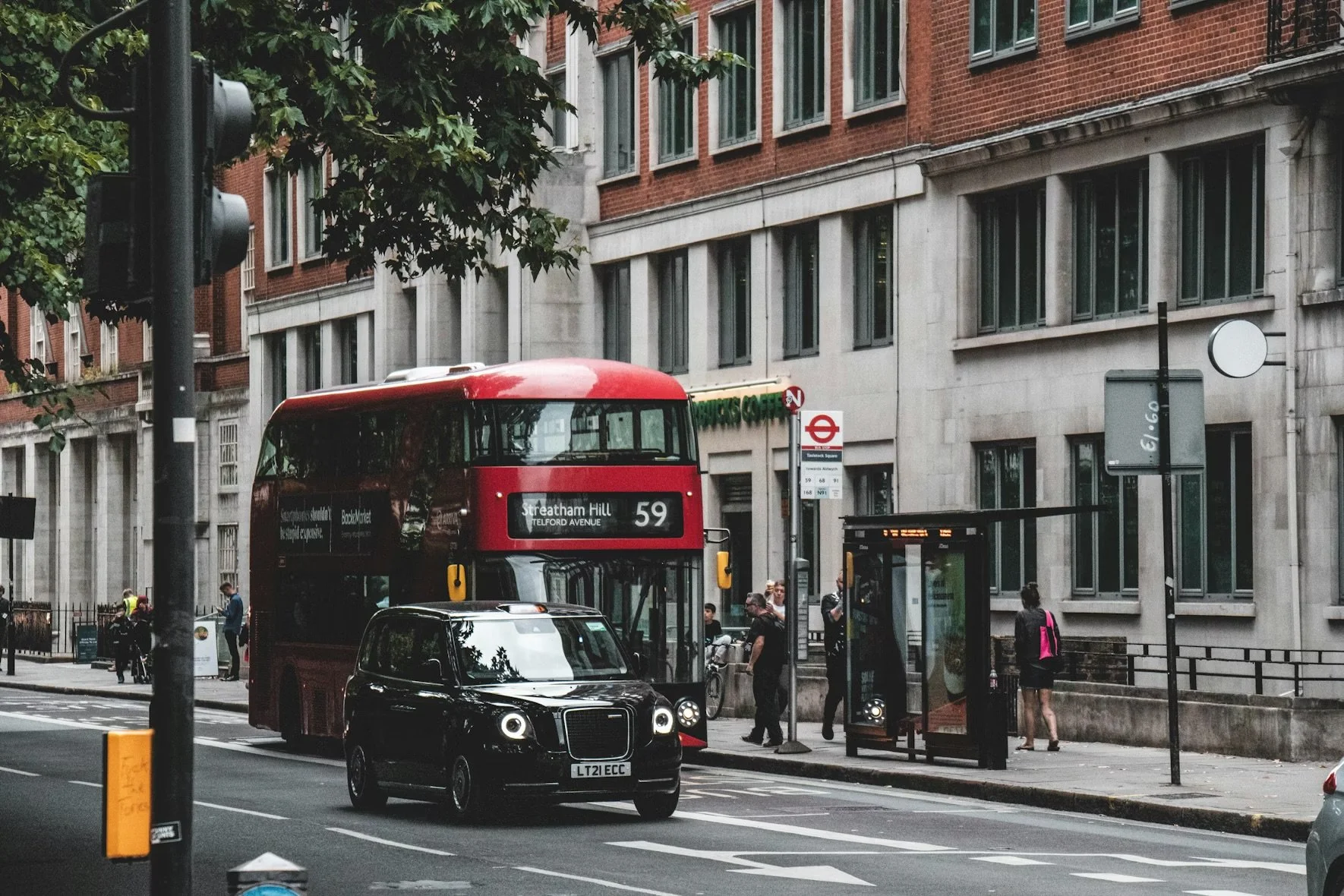
Road traffic accidents in London involve complex legal and insurance considerations. Urban congestion, cyclists, buses, taxis, and pedestrians increase the likelihood of multi-party collisions. If you are injured, your actions immediately after the incident and in the following weeks will affect medical recovery, insurance outcomes, and any compensation claim.
A structured response protects both health and legal position.
Prioritise Immediate Medical Attention
Your first priority is safety. Call emergency services if injuries are serious. Even if symptoms appear minor, seek medical evaluation as soon as possible. Some injuries such as whiplash, internal bleeding, or concussions may not present fully at the scene.
Medical documentation establishes a formal record of injury. This record is critical for insurance claims and any potential legal proceedings. Attend follow-up appointments and comply with prescribed treatment plans.
Failure to seek prompt treatment may weaken later claims.
Report the Incident Properly
In London, road accidents involving injury must be reported to the police. If officers do not attend the scene, you are required to report the accident at a police station within 24 hours.
Obtain a police reference number. This document provides independent confirmation of the incident. It may later be requested by insurers or legal representatives.
Accurate reporting strengthens evidentiary credibility.
Gather Evidence at the Scene
If you are physically able, collect evidence before leaving the location. Evidence should include:
Photographs of vehicle positions and damage
Road conditions and traffic signage
Contact details of witnesses
Insurance details of other drivers
Bus route numbers or taxi registration plates if applicable
In London’s dense traffic environment, CCTV coverage is common. Note nearby shops, bus cameras, or traffic cameras that may have recorded the collision. CCTV footage is often retained for a limited period, so early identification is important.
Objective evidence reduces dispute risk.
Notify Your Insurer Promptly
Report the accident to your insurer even if you were not at fault. Provide factual details only. Avoid admitting liability at the scene or during initial communication.
Insurers may conduct independent investigations. Delayed reporting can breach policy terms.
Clear communication preserves coverage rights.
Seek Legal Advice Early
Road accident liability can be contested, particularly in incidents involving cyclists, pedestrians, or multi-vehicle collisions. Early legal advice clarifies your position.
Firms such as No Win No Fee Lawyers Direct London operate under conditional fee agreements. This structure allows injured parties to pursue claims without upfront legal fees, with costs typically recovered from the opposing party if the claim succeeds.
Prompt consultation ensures compliance with limitation periods and procedural requirements.
Understand Limitation Periods
In most personal injury cases in England and Wales, you have three years from the date of the accident to issue court proceedings. For children, the limitation period begins on their 18th birthday.
Although three years may appear generous, evidence deteriorates over time. Witness recollection fades and CCTV footage may be erased.
Early action strengthens claim viability.
Document Financial Losses
Compensation claims include both general damages (pain and suffering) and special damages (financial losses). Maintain records of:
Medical expenses
Travel costs to appointments
Lost earnings
Rehabilitation costs
Vehicle repair invoices
Keep payslips and employment contracts to substantiate income loss. If self-employed, gather tax returns and business records to demonstrate revenue disruption.
Detailed documentation improves claim valuation accuracy.
Attend Independent Medical Assessment
In personal injury claims, an independent medical expert will evaluate your condition. The report will assess injury severity, recovery prognosis, and potential long-term impact.
Be accurate and transparent during assessment. Exaggeration undermines credibility, while understatement may reduce compensation.
Medical opinion significantly influences settlement negotiations.
Consider Rehabilitation Support
Rehabilitation may include physiotherapy, psychological therapy, or occupational therapy. Under the Rehabilitation Code, insurers may fund early treatment before liability is formally admitted.
Early rehabilitation often reduces long-term impairment and improves recovery outcomes.
Medical stabilisation should remain a priority.
Avoid Premature Settlement
Insurers may propose early settlement offers. While early payment may seem attractive, offers made before full medical prognosis may undervalue long-term impact.
Do not accept settlement until:
Medical reports are finalised
Financial losses are fully calculated
Future care needs are assessed
Structured negotiation ensures fair compensation.
Prepare for Potential Court Proceedings
Most claims settle without trial. However, preparation for litigation increases negotiation leverage.
Your solicitor may gather witness statements, expert reports, and accident reconstruction evidence. Compliance with procedural timelines is essential.
Preparedness strengthens settlement position.
Conclusion
If you are injured in a London road accident, act methodically. Seek medical treatment, report the incident, gather evidence, notify insurers, and obtain legal advice promptly. Understand limitation periods and document financial losses thoroughly.
Engaging qualified legal representation under a no win no fee structure may reduce financial risk while pursuing compensation. Careful documentation and disciplined response ensure that medical recovery and legal rights are both protected.






























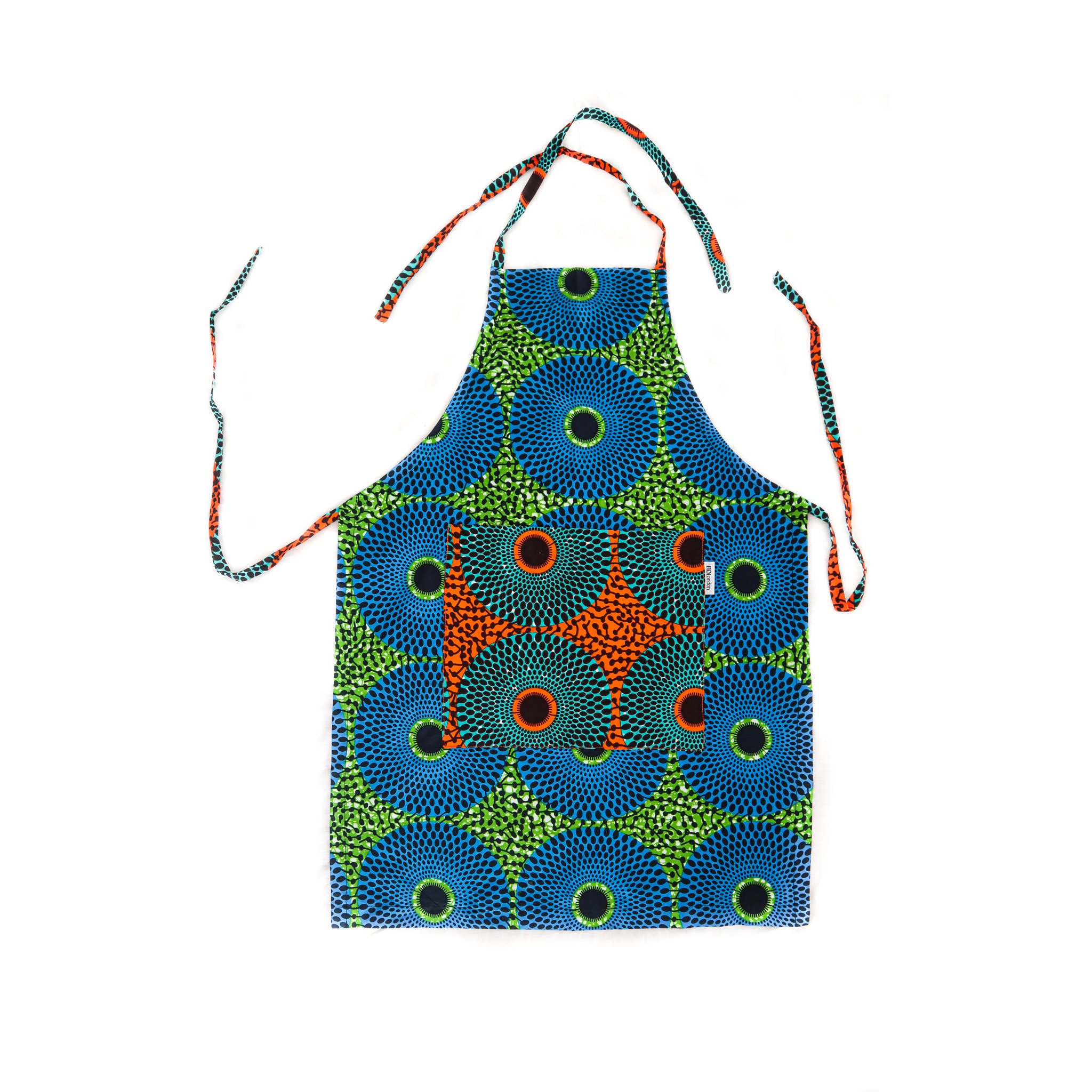





Handmade in Ghana, our aprons offer a unique design with a front pocket perfect for kitchen utensils or your phone and tie neck straps each made from recycled material. The perfect gift for any cooking enthusiasts!
Our aprons have been named after markets in Ghana and London. This apron has been named after street food hub Maltby Street Market.