
The Impact of Social Media on Mental Health
You pick up your phone for a quick check. Then you look up, and an hour has passed. You feel a strange mix of entertained, tired, and a little empty.
For billions of people, this is a normal part of the day. Social media has become part of how we talk, learn, shop, and relax. It is not all good, and it is not all bad. It is a powerful tool that deeply affects how we think, how we feel, and how we see ourselves. Understanding these effects can help us use it in a way that supports our minds instead of draining them.
How Social Media Hooks the Mind
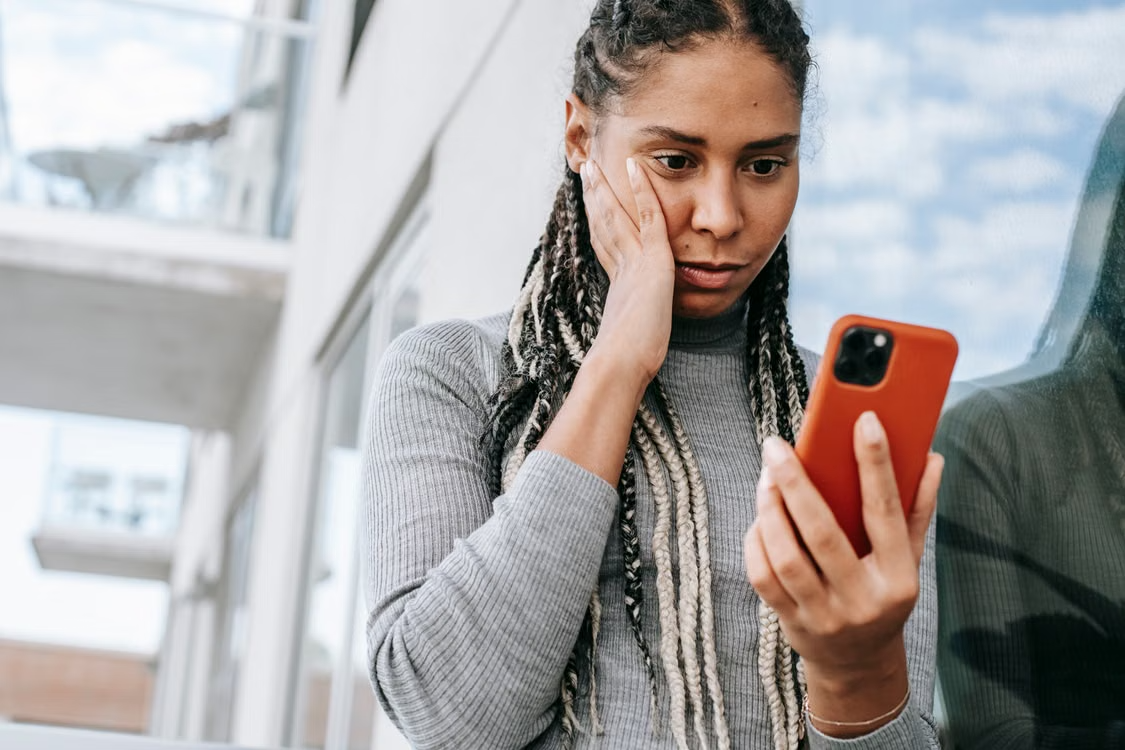
Many people wonder why these apps are so hard to put down. The answer lies in how they are built. Every like, comment, and notification gives the brain a small reward. This triggers a feel-good chemical response, and the brain learns to seek it again and again.
Endless feeds add to the pull. There is no natural end, so there is no clear moment to stop. And the fear of missing out keeps us checking, in case something important or fun is happening without us. If you want a gentle way to build mindful digital habits, the Overwell features overview shows simple tools that help you notice your feelings and take better care of your attention.
It is important to know that struggling to log off is not a personal weakness. These platforms are designed by experts to hold our attention for as long as possible. Knowing this can bring some relief, and it can help you approach your habits with kindness instead of blame.
The Harmful Side: Comparison, Anxiety, and Low Mood
Social media can have real downsides for mental health. One of the biggest is comparison. People tend to share their best moments, such as perfect trips, big achievements, and smiling faces. When we see these polished pictures again and again, we may start to feel that our own lives are not good enough.
Think of someone having a quiet, ordinary week at home. Then they open their phone and see a friend’s dream holiday on a sunny beach. Suddenly, their calm week feels dull and small. Nothing in their life changed, yet they feel worse.
The search for likes can also create anxiety. When approval is shown in numbers, we may start to worry about how we are being judged. Heavy use has also been linked to loneliness, poor sleep, and low mood.
Online negativity adds more pain. Bullying, harsh comments, and cruel jokes can hurt deeply, especially when they happen in public. Words on a screen may feel less real, but their impact on a person can be very real.
The Helpful Side: Connection, Support, and Voice
It would be unfair to speak only of the harm, because social media also does a great deal of good. It helps people stay close to friends and family who live far away. A quick message or a shared photo can keep a bond alive across many miles.
It can also help people find others who share their interests or struggles. Someone dealing with a rare health problem, for example, may find a community that understands them. Online support groups can reduce loneliness and remind people that they are not alone. Social media can also give a voice to those who feel unheard, letting them share their stories and be seen.
The key point is that the effect depends on how we use it, not only on the tool itself. The same app can lift one person up and weigh another person down.
Who Is Most Affected and Why
Social media does not affect everyone in the same way. Teenagers and young adults may be especially sensitive. They are still building their sense of identity, and they care deeply about what their friends think. This makes comparison and approval feel even stronger.
Other factors matter too. Personality plays a part, as do existing stress and the kind of use. Researchers often point out the difference between passive and active use. Passive use means scrolling and watching without joining in. It can leave people feeling more alone or envious. Active use means chatting, sharing, and connecting with real people. It often leaves people feeling more supported.
It is important to avoid blame here. There is no single rule that fits everyone. Some people can use social media for hours and feel fine, while others feel the effects after a short time. The best guide is how you feel, and being honest with yourself about it.
Building a Healthier Relationship With Social Media
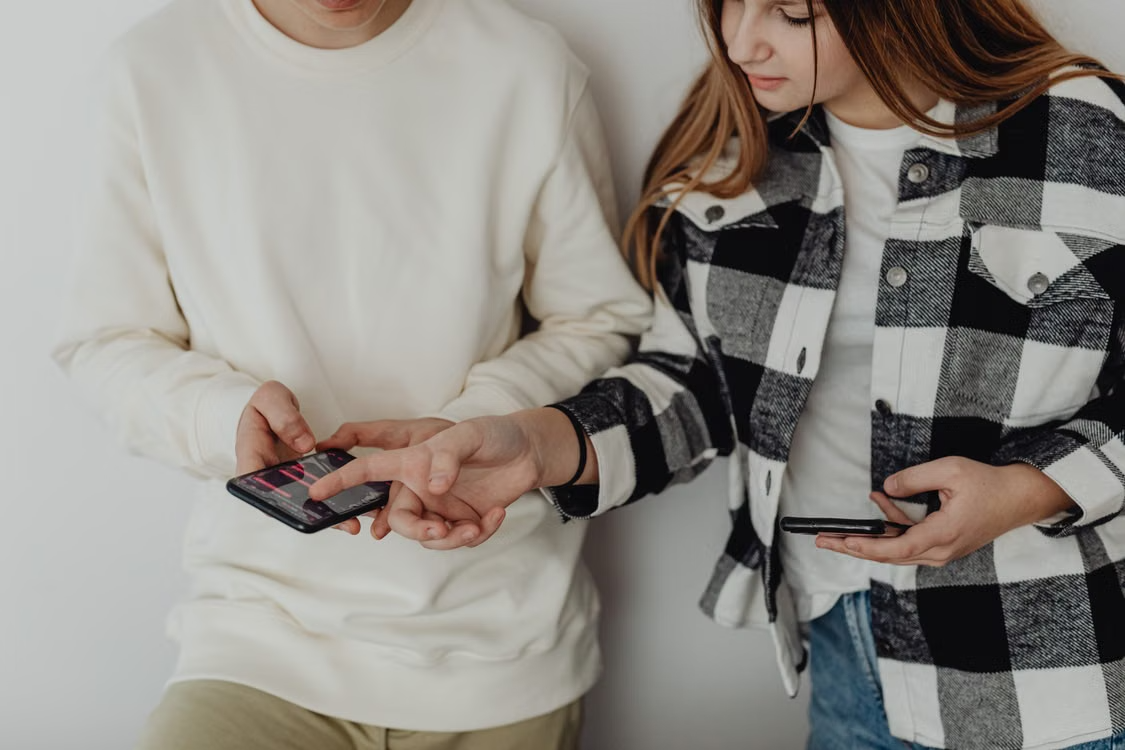
The good news is that you can shape how social media affects you. Start by noticing how you feel after using each app. Do you feel inspired, or drained? Calm, or restless? These feelings are useful clues.
Then make small changes. Set gentle time limits that suit your life. Turn off notifications you do not need, so your phone does not pull you in every few minutes. Choose accounts that inspire or teach you, and feel free to mute or unfollow those that leave you feeling less than. Take regular breaks, such as a phone-free evening or a quiet morning. And always put real-life connections first. A coffee with a friend usually does more for your mood than a hundred likes.
If you notice that social media is clearly harming your mood or daily life, talking to a trusted person or a professional is a wise step. You do not have to handle it alone.
Social media can be a useful tool when it serves you. With small, mindful choices, you can stay connected to the world without losing your peace of mind.




































Handmade in Ghana, our aprons offer a unique design with a front pocket perfect for kitchen utensils or your phone and tie neck straps each made from recycled material. The perfect gift for any cooking enthusiasts!
Our aprons have been named after markets in Ghana and London. This apron has been named after street food hub Maltby Street Market.