
How to beat tube air, screen fatigue, and dry eyes: the ultimate eye care guide For Londoners
Living in London comes with an unspoken, relentless rhythm that demands constant physical adaptability from our bodies every single day. You step onto a packed Underground platform during rush hour, ride through deep subterranean tunnels filled with warm, recycled air, sit in a heavily air conditioned or central heated office for eight hours staring at high resolution monitors, and finally meet friends for dinner in a dimly lit wine bar in Soho. By 7:00 PM, your eyes feel gritty, heavy, and thoroughly exhausted, making every single blink feel like a conscious physical effort. Between the ultra low relative humidity deep down in the Tube network, relentless digital blue light exposure from modern screens, and synthetic indoor climates, city living takes a severe, continuous physical toll on our vision. For contact lens wearers in particular, these compound environmental factors can quickly transform a routine day into an uncomfortable, ongoing struggle against chronic dry eye syndrome, friction, and ocular inflammation.
The London Eye Test: Why City Living Wears Out Your Vision
The Underground Commute: Microclimates of Dryness
Deep level Underground lines across London create a uniquely challenging microclimate characterized by elevated temperatures, intense air movement, and notably low humidity levels that often hover below normal human comfort thresholds. As trains speed through subterranean tunnels, high volumes of warm, recycled air carrying microscopic particulate matter, brake dust, and ambient environmental pollution sweep continuously across the platform and inside crowded carriages.
This turbulent, dry airflow rapidly evaporates the delicate tear film on the surface of your eyes. The precorneal tear film is a complex three layer structure composed of a mucin layer adhering to the cornea, an aqueous layer providing moisture and nutrients, and an outer lipid layer preventing evaporation. Tube air severely disrupts this outer lipid layer, accelerating evaporation by several orders of magnitude. For contact lens wearers, this process strips away the essential lubricating layer situated between the lens material and the sensitive corneal tissue long before you even step off the train at your office destination, leading to early morning scratchiness, redness, and micro irritation.
Digital Screen Fatigue: The Mechanics of the Reduced Blink Rate
When we concentrate on laptops, desktop monitors, tablets, or smartphones throughout the workday, our natural physiological reflexes shift dramatically without us realizing it. Under normal ambient conditions, the average human blinks between 15 and 20 times per minute. However, intense visual concentration and cognitive processing during digital interface interaction reduce this blink frequency by 50 to 70 percent, dropping the average blink rate down to just 5 to 7 blinks per minute.
Furthermore, screen work induces incomplete blinks, where the upper eyelid fails to make full contact with the lower eyelid. Because each complete blink is responsible for sweeping fresh lipid secretions from the meibomian glands across the cornea and maintaining the structural integrity of the ocular tear film, fewer and incomplete blinks mean contact lenses quickly lose essential surface hydration. This leads directly to increased mechanical friction between the inner eyelid and the contact lens surface, causing transient blurred vision, eye strain, and pronounced visual fatigue by mid afternoon.
Artificial Office Microclimates: The Desert Indoors
Modern commercial office buildings across the capital are engineered primarily for human temperature regulation and energy efficiency rather than ideal ocular health, resulting in indoor air that is often drastically depleted of ambient moisture. Continuous air conditioning systems during the summer months and blast central heating throughout the cold winter continuously strip relative humidity from the room, creating an indoor environment with humidity levels often falling below 20 percent, comparable to arid desert regions.
Combined with harsh overhead fluorescent or LED lighting, poor natural ventilation, and prolonged screen exposure, these artificial indoor microclimates create an aggressive setup for rapid tear evaporation. When contact lenses operate in low humidity environments, they begin to draw moisture directly from the natural tear reservoir beneath the lens to maintain their own structural water content, effectively dehydrating the surface of the eye and causing persistent daily redness that worsens as the workweek progresses.
The Biological Science of Ocular Moisture
To effectively combat dry eye syndrome in an urban setting, it helps to understand the underlying mechanics of how your eyes stay hydrated and protected:
Lipid Layer: Produced by Meibomian glands; seals moisture in and prevents rapid evaporation.
Aqueous Layer: Produced by Lacrimal glands; supplies water, oxygen, nutrients, and electrolytes.
Mucin Layer: Produced by Goblet cells; binds tears evenly to the corneal surface.
When any single layer of this delicate ecosystem breaks down due to external factors, like dust on the Victoria Line or seven consecutive hours of spreadsheets, the entire tear film destabilizes. This destabilization exposes delicate nerve endings on the corneal surface, triggering the burning, stinging, and sand in the eye sensations familiar to almost every London commuter.
4 Daily Rules for Fresh Eyes in the Capital
Rule 1: Switch to Modern Material Science (Silicone Hydrogel Lenses)
If you are still wearing older, traditional hydrogel options, it is well worth booking a comprehensive consultation with your optician to discuss upgrading your eyewear. Exploring modern options like contact lenses at Lenstore can make finding the right material straightforward, particularly if you opt for silicone hydrogel daily disposables. Traditional hydrogel lenses rely almost entirely on their internal water content to transport oxygen to the eye. Paradoxically, in dry environments, high water hydrogel lenses dry out faster as the ambient air pulls moisture from the lens material, causing the lens to tighten against the cornea.
Silicone hydrogel materials represent a massive technological leap in optometry. By combining silicone with hydrogel polymers, these lenses achieve exceptionally high oxygen transmissibility values that allow significantly higher amounts of atmospheric oxygen to pass directly through the matrix of the lens to reach your delicate corneal tissue. Because oxygen transmission is decoupled from pure water content, silicone hydrogel daily disposables retain their structural hydration, flexibility, and surface smoothness even when continuously exposed to demanding, low humidity environments like the Northern or Central lines during long peak time commutes. Starting every morning with a fresh, sterile pair also eliminates the accumulation of urban dust and protein deposits.
Rule 2: Master the 20 20 20 Technique & Conscious Blinking
To actively counter the physiological effects of digital screen glare and suppressed blink rates, you need to build intentional ocular breaks directly into your daily administrative, analytical, or creative workflow.
The 20 20 20 Rule: Every 20 minutes, train yourself to consciously shift your gaze away from your monitor and focus on an object located at least 20 feet away for a duration of at least 20 seconds. Looking at a distant object allows the ciliary muscles inside the eye to fully relax, resetting your visual focus mechanisms.
The Conscious Blink Drill: During your 20 second break, consciously execute 3 to 5 deliberate, complete blinks. Squeeze your eyelids together gently for a full second during each blink. This action mechanically compresses the meibomian glands along your eyelid margins, expressing fresh, essential oils into your tear film to restore its protective lipid layer and instantly smooth out visual clarity across your contact lenses.
Rule 3: Use Hydrating Drops Preemptively (Before Symptoms Start)
Rather than waiting for your eyes to feel scratchy, inflamed, and irritated before taking corrective action, carry preservative free rewetting drops containing high grade hyaluronic acid everywhere you go in the city. Traditional eye drops contained in multi dose bottles often use chemical preservatives like benzalkonium chloride, which can cause toxic reactions, disrupt tear film stability, and damage contact lens materials when used frequently.
Preservative free formulations are far gentler on sensitive eyes. Hyaluronic acid is a naturally occurring glycosaminoglycan capable of holding up to 1000 times its weight in water, binding moisture to the lens surface for extended periods. Applying a few drops preemptively, just before descending into the Underground network in the morning or right before starting an intense afternoon work session, builds a resilient fluid barrier on the eye surface. This proactive lubrication prevents the lens material from drying out, stiffening, and adhering frictionally to the sensitive corneal surface in the first place.
Rule 4: Support Tear Production Systematically (Hydration & Nutrition)
Maintaining optimal eye comfort throughout demanding city schedules requires an internal approach to physiological hydration just as much as topical external treatments.
Systemic Water Intake: Consistently drinking at least two to two and a half liters of fresh water throughout the day ensures that your lacrimal glands have the necessary fluid reserves required to maintain continuous aqueous tear production. If you rely heavily on caffeinated drinks like espresso or matcha to get through the workday, remember that caffeine acts as a mild diuretic, making proactive water consumption even more crucial.
Nutritional Lipid Support: Incorporating essential Omega 3 fatty acids into your daily diet helps fortify the oil producing meibomian glands. Eicosapentaenoic acid and docosahexaenoic acid, found abundantly in oily fish such as salmon, mackerel, and sardines, as well as high quality algal oil or flaxseed supplements, possess natural anti-inflammatory properties. Regular intake improves the quality and viscosity of meibomian gland secretions, helping to create a stable lipid layer that resists rapid evaporation in dry, warm environments.
Evening Care & Transitioning to Nightlife
Refreshing Your Eyes After Hours
If your evening plans involve going straight from your office desk to a restaurant, West End theatre, or crowded pub in Shoreditch, taking five minutes to intentionally refresh your eyes before leaving work makes a world of difference to your overall comfort and appearance:
Thorough Hand Hygiene: Before touching your face or eyes, wash your hands thoroughly with warm water and antibacterial soap for at least 20 seconds, then dry them with a lint free towel.
Pre Drop Flush: Apply a generous drop of preservative free rewetting solution to each eye to flush out tiny dust particles accumulated during the day.
Avoid Eye Rubbing: Strictly refrain from rubbing your eyelids when your eyes feel tired. Rubbing creates mechanical friction that can cause micro abrasions on the cornea, dislodge contact lenses, and push ambient city dust, particulate pollution, or eye makeup directly beneath the flexible edges of your lenses.
Knowing When to Rest Your Corneas
While modern silicone hydrogel contact lenses are engineered for extended daily wearability, it is equally vital to listen to the physical signals your body gives you at the end of a demanding day. Your cornea is a unique organ that contains no blood vessels; it receives oxygen directly from the atmosphere dissolved in your tear film.
If persistent redness, burning, stinging, or foreign body sensations continue even after applying high quality lubricating drops, make the conscious decision to remove your lenses safely and switch to your spectacles for the remainder of the evening. Giving your corneas an uninterrupted opportunity to breathe uninhibited and rehydrate naturally overnight protects your long term ocular health, prevents hypoxic complications, and ensures your eyes remain healthy, resilient, and comfortable for the rest of the week.
The Londoner’s Daily Ocular Routine
To make eye care effortless, integrate these small habits into your existing urban routine:
8:00 AM (Morning Commute): Insert fresh daily silicone hydrogel lenses after showering. Apply one drop of preservative free rewetting solution before entering the Tube station.
11:00 AM (Mid Morning Desk Work): Pause for a 20 second visual break. Look out the window at a distant building and complete 5 deliberate blinks.
1:00 PM (Lunchtime Hydration): Refill your water bottle. If eating lunch outdoors, wear UV blocking sunglasses to shield your eyes from wind and solar radiation.
3:30 PM (Afternoon Screen Slump): Apply a second drop of rewetting solution to counter air conditioning dryness. Perform another set of conscious blink exercises.
6:00 PM (Work to Evening Transition): Wash hands, apply rewetting drops, and gently clean away any smudged eye makeup from the outer eye area before heading out.
11:00 PM (Nighttime Wind Down): Remove contact lenses before washing your face. Never sleep in daily disposable lenses. Apply a soothing nocturnal eye gel if prone to chronic morning dryness.
Living and working in a fast paced metropolis like London should never require you to constantly settle for eye discomfort, chronic redness, or visual fatigue as an inevitable tax on your urban lifestyle. While deep Underground commutes, dry office climate control, and long hours spent in front of high definition digital screens are structural realities of modern professional life, chronic dry eyes do not have to be your default physical state.
By implementing small, proactive lifestyle adjustments, such as upgrading to breathable silicone hydrogel lens technology, practicing intentional screen break habits, using preservative free hydration drops preemptively, and maintaining consistent internal and topical hydration, you can safeguard your long term ocular health while preserving optimal visual clarity. With these simple habits firmly in place, you can comfortably navigate everything the capital has to offer, moving effortlessly from early morning Tube journeys to late nights out across the city with complete comfort, confidence, and crystal clear vision.





















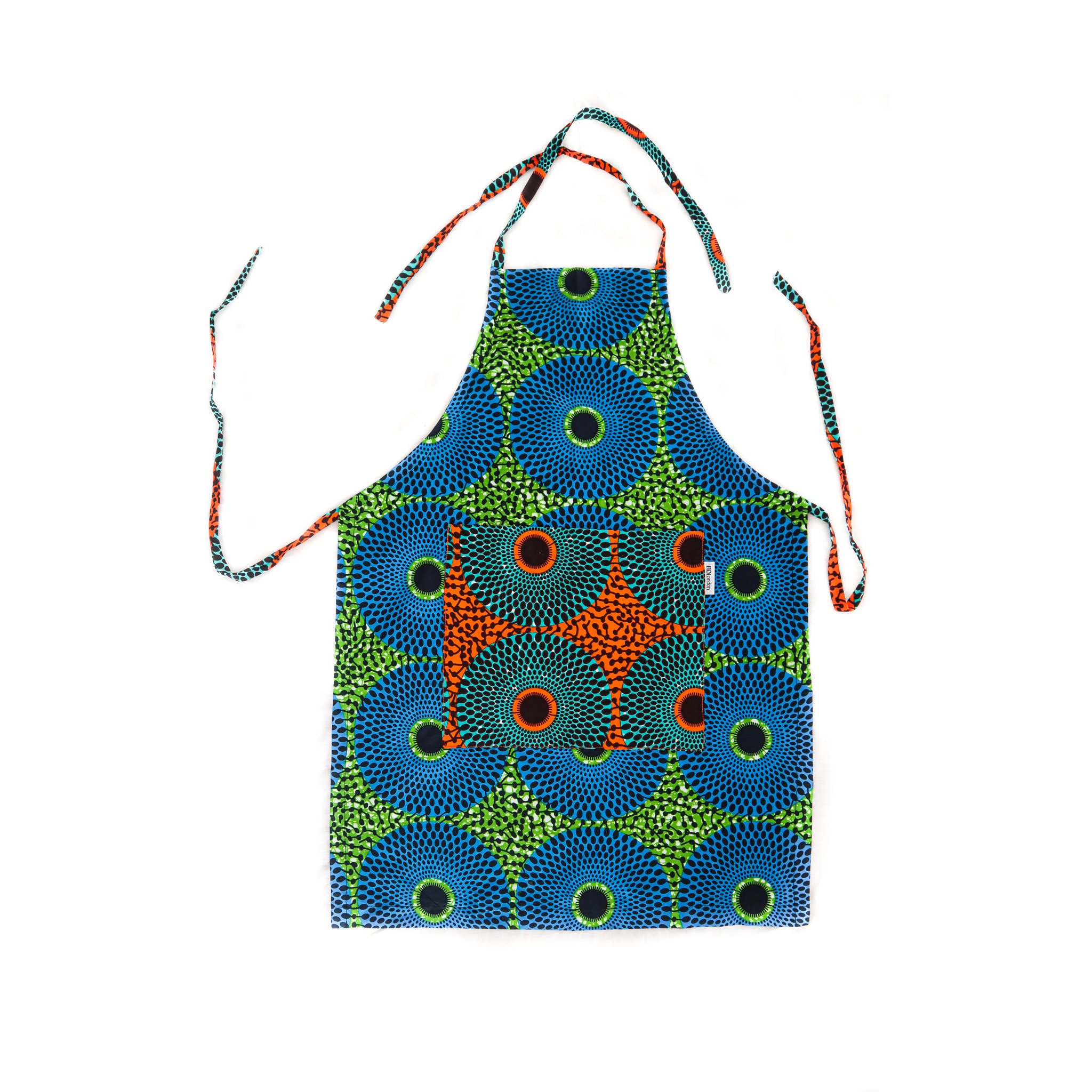





Handmade in Ghana, our aprons offer a unique design with a front pocket perfect for kitchen utensils or your phone and tie neck straps each made from recycled material. The perfect gift for any cooking enthusiasts!
Our aprons have been named after markets in Ghana and London. This apron has been named after street food hub Maltby Street Market.