
When you want to put on your own firework display
A private firework display can turn an ordinary autumn evening into a memorable occasion. Whether you are planning a family celebration, a community fundraiser or a milestone event, there is something uniquely exciting about watching a carefully arranged sequence light up the sky.
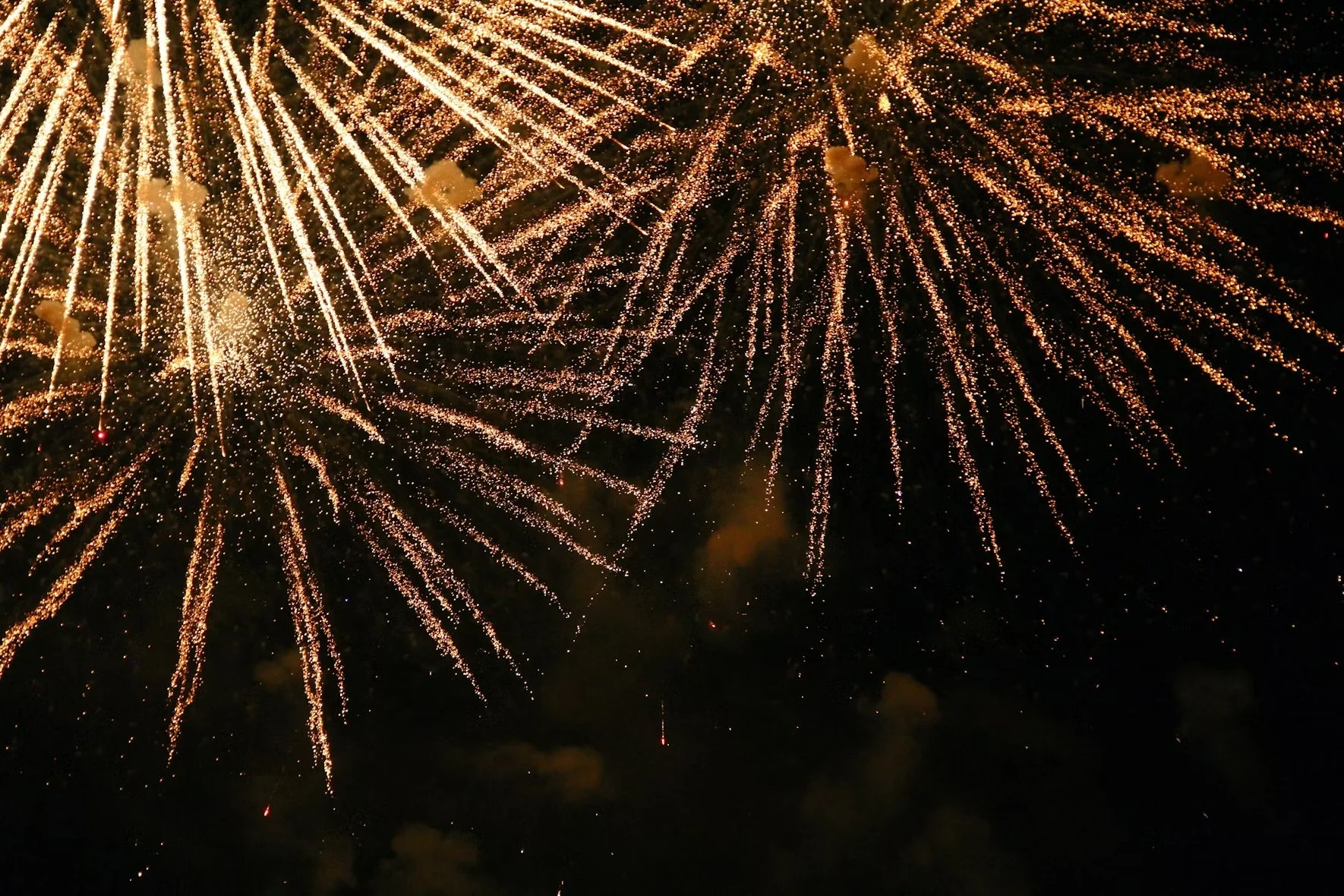
However, a successful display involves considerably more than buying a few fireworks and lighting them in the garden. Safety, timing, venue suitability and legal responsibilities all need to be considered before the first fuse is touched. With thoughtful planning, you can create an impressive event while keeping guests, neighbours, property and the wider environment protected.
Start with the venue, not the fireworks
The setting determines what kind of display is practical. A large open field may accommodate bigger effects and a wider viewing area, while a modest garden may only be suitable for smaller, lower-level fireworks. Never assume that a space is safe simply because it looks open from the ground.
Inspect the site carefully for overhead cables, trees, buildings, fences, parked vehicles and combustible materials. You will also need to account for where spectators will stand and how they will enter and leave the area. The firing zone should be clearly separated from the audience, with a safe distance maintained throughout the display.
If you are using someone else’s land, obtain written permission. For public or ticketed events, additional requirements may apply, including insurance, risk assessments, first-aid arrangements and notifications to local authorities or emergency services. Local rules can vary, so check with your council well before the event.
Weather matters, too. Strong winds can alter the direction of sparks and debris, while heavy rain may affect the reliability of fireworks and create slippery ground. A responsible organiser should always have a postponement plan rather than feeling pressured to continue in unsuitable conditions.
Understand what you are buying
Not all fireworks are designed for the same setting. Consumer fireworks are generally grouped by category, with the larger display products requiring more space and greater care. Professional-grade fireworks should only be handled by trained operators with the appropriate experience and permissions.
When choosing products, consider the overall shape of the display rather than selecting items at random. A balanced programme might include quieter low-level effects, a few larger aerial pieces and a strong finale. Mixing every available type can make an event feel chaotic, whereas a sequence with changes in height, colour and pace is easier to enjoy.
This is also where specialist advice can be valuable. Reputable reliable fireworks specialists can help match products to the venue, audience and budget, as well as explain storage, firing distances and expected duration. An experienced supplier should be willing to discuss safety and suitability, not simply recommend the biggest fireworks available.
Read instructions in full and check that each product is undamaged, correctly labelled and suitable for its intended use. Never modify fireworks, combine fuses or attempt to relight one that has failed. A misfired firework should be treated as live and dealt with only according to the manufacturer’s instructions.
Build a practical safety plan
A display needs clear roles. One person should take overall responsibility, while others can supervise the audience, monitor access points and deal with practical issues. Avoid allowing multiple people to light fireworks casually; confusion around who is responsible is an unnecessary risk.
Before guests arrive, brief everyone involved on the layout and emergency arrangements. Keep children and animals away from the firing area, and make sure spectators understand that they must remain behind the designated barrier. Alcohol should not be consumed by anyone handling or lighting fireworks.
Essential preparations include:
A stable, suitable firing surface and secure storage away from ignition sources.
Buckets of water, sand or a hose ready for emergencies and spent fireworks.
A torch, gloves and eye protection for the person responsible for lighting.
A clearly marked spectator area with a straightforward route away from the site.
A check that nearby residents, livestock owners and vulnerable neighbours have been informed.
Fireworks should remain in their original packaging until needed and should never be carried in pockets. Keep them dry, but do not store them near heaters, open flames or electrical equipment. Only bring out the item currently being prepared, leaving the rest in a closed container at a safe distance.
Think about neighbours, pets and the environment
A private display affects more than the people attending. Loud bangs can distress dogs, horses and other animals, and unexpected noise may be particularly difficult for elderly or vulnerable neighbours. Giving reasonable notice allows people to make arrangements and demonstrates consideration.
Keep the display within permitted hours. In the UK, fireworks generally must not be set off between 11pm and 7am, with limited extensions on occasions such as Bonfire Night and New Year’s Eve. Rules can change, and local restrictions may apply, so verify the current position before planning a late event.
Noise is not the only environmental concern. Choose a site where debris can be collected easily, avoid fireworks containing unnecessary plastic components where alternatives exist, and inspect the area thoroughly in daylight. Remove cardboard, wire and other remnants rather than assuming rain or grass will hide them. If animals graze nearby, check the field carefully for small fragments before they return.
Design the experience, not just the finale
A display lasting ten to fifteen minutes can feel more engaging than a longer sequence with no structure. Start with a clear opening, build gradually and leave enough space between effects for the audience to appreciate them. Music can add atmosphere, but make sure it does not prevent instructions or emergency announcements from being heard.
It is worth running through the order beforehand. A simple written firing plan can record the sequence, approximate timings and any special handling requirements. This reduces last-minute decisions and helps the person in charge keep control.
Finally, prepare to cancel if conditions become unsafe. A postponed display is disappointing; an accident can have lasting consequences. Good planning includes knowing when not to proceed.
A memorable display is a well-managed one
The most impressive private displays are not necessarily those with the largest explosions. They are the ones that suit their surroundings, respect the audience and run smoothly from beginning to end. By assessing the venue, buying appropriate products, following instructions and planning for people as well as fireworks, you can create an evening that feels exciting without becoming reckless.
Give yourself plenty of preparation time, seek professional guidance where needed and treat safety as part of the event experience rather than an inconvenience. The result will be a display your guests remember for the right reasons.











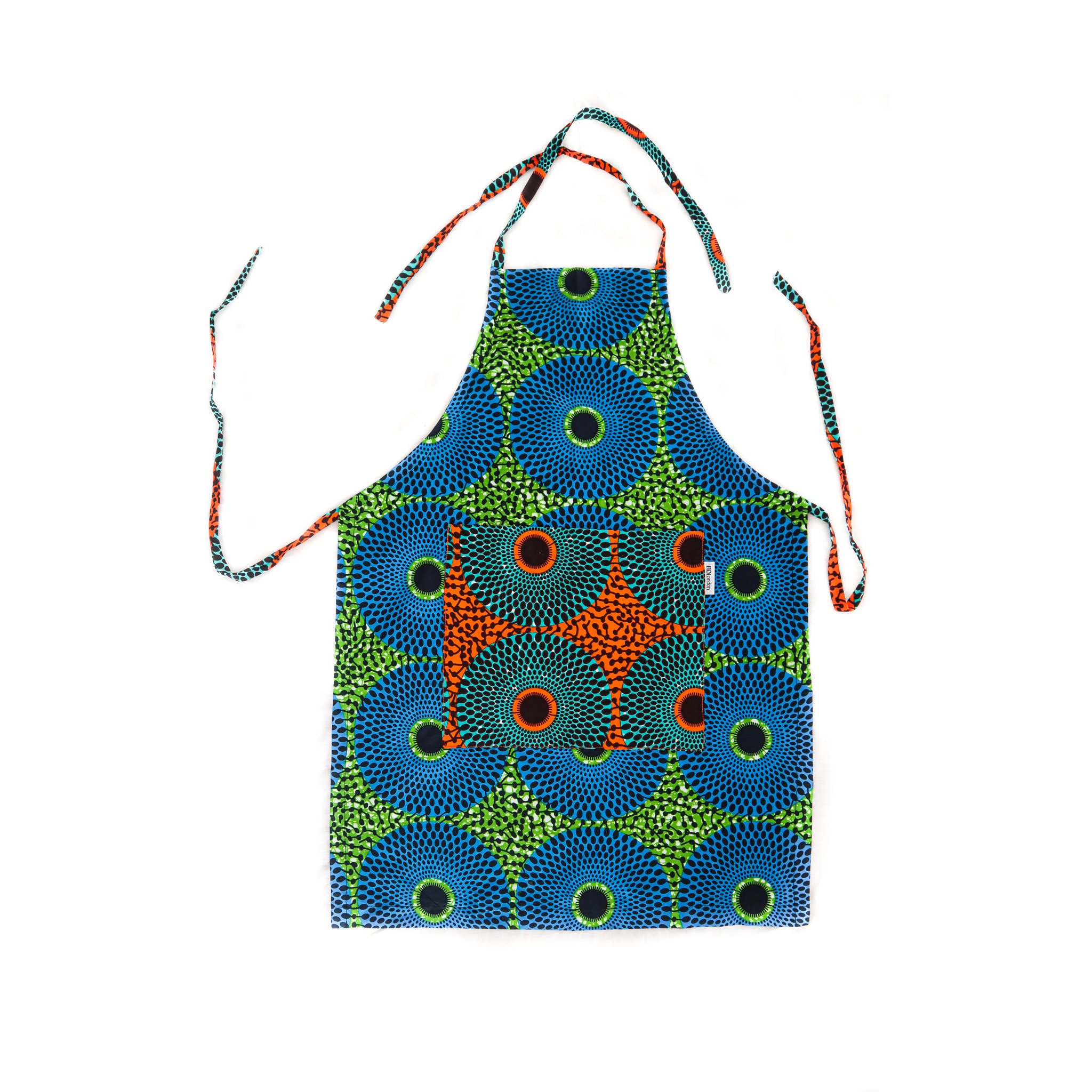


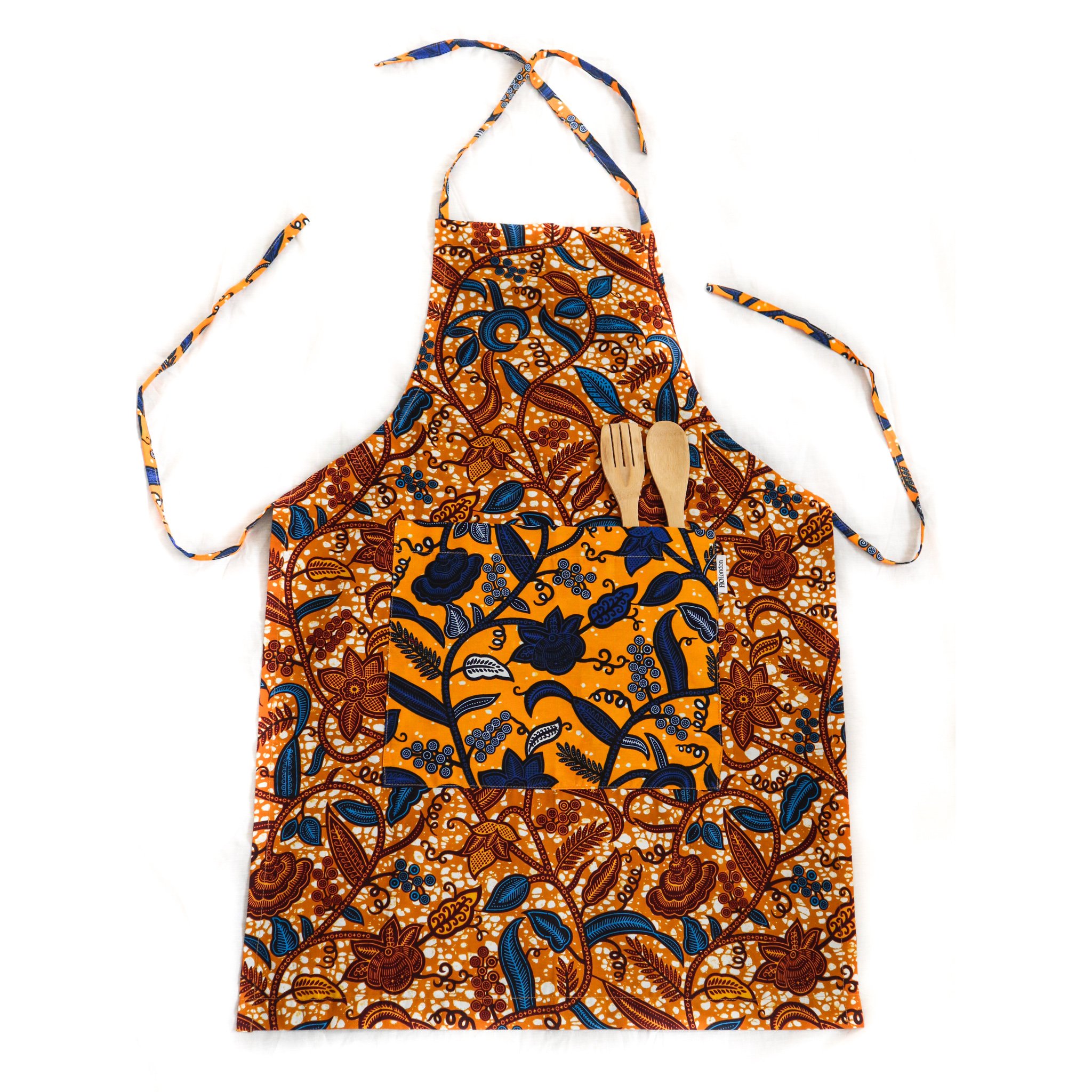


Handmade in Ghana, our aprons offer a unique design with a front pocket perfect for kitchen utensils or your phone and tie neck straps each made from recycled material. The perfect gift for any cooking enthusiasts!
Our aprons have been named after markets in Ghana and London. This apron has been named after street food hub Maltby Street Market.